“`html
Who Keeps Exchange Access After DoD Civilian Retirement
DoD civilian retiree access to base exchanges has gotten complicated with all the eligibility rules flying around. The core requirement is simple enough: you need 20 or more years of federal service to qualify. Period. I learned this the hard way when my neighbor retired after 19 years and showed up at the commissary gate expecting his discount card to work. It didn’t.
Cross that 20-year threshold and you’re in. Your eligibility for exchange and commissary privileges kicks in immediately upon separation. Your spouse gets access too — at least if you’re listed as their sponsor in the Defense Enrollment Eligibility Reporting System (DEERS). Unmarried children can shop the exchange until age 21, or age 23 if they’re enrolled full-time in an accredited college or university.
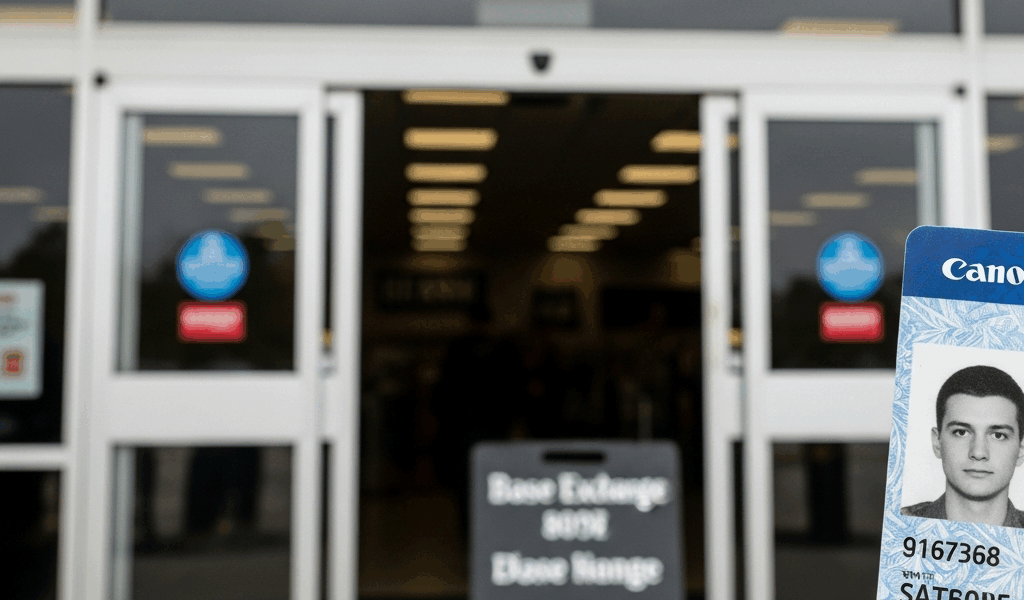
But what is the real gatekeeper here? In essence, it’s a valid military ID card. But it’s much more than that. That laminated credential isn’t optional. It’s the physical key to every gate, every register, every online military shopping portal. Without it, you walk in like a civilian and leave like one.
Probably should have opened with this section, honestly. The ID card is where most problems start. You don’t automatically get one mailed to your house. You have to apply for a retiree card at a military installation’s ID card office — usually within a specific window around your separation date. Some bases process them in an hour. Others have backlogs that stretch into months. The card itself costs nothing, but your time? That’s on you.
Delayed access happens too. If your civilian agency doesn’t notify DEERS immediately about your retirement, or if there’s a paperwork lag, your exchange eligibility might not activate on day one. I’ve seen retirees wait 60 days for their records to sync. Frustrating, sure. Fixable? Absolutely — if you know what to check.
What Happens to Your Exchange Privileges at Age 65
Age 65 is where things get tricky for many DoD civilian retirees. That’s when Medicare becomes available, and it’s also when your TRICARE eligibility and exchange access can shift dramatically.
Here’s what happens: at 65, you must enroll in Medicare Part A and Part B if you want to maintain TRICARE coverage without gaps or penalties. This enrollment is not automatic, even if you’ve been a TRICARE beneficiary for years. Missing the deadline costs you money in premium surcharges and can create coverage holes. But more immediately relevant — failing to update your DEERS record to reflect your Medicare enrollment can block your exchange access.
The system flags your record for review. DEERS sees “age 65” and checks whether your Medicare information is current. If it’s missing or incorrect, the computer denies your card at the register. You’re technically still eligible, but the data mismatch creates a temporary lockout that’s maddening because it’s entirely preventable.
What you keep: if you’re properly enrolled in Medicare and your DEERS record is updated, your exchange and commissary privileges continue unchanged. Same discounts. Same family eligibility. The age-65 milestone doesn’t strip your access; poor record management does.
What you might lose: TRICARE coverage options change at 65. If you drop below certain TRICARE tiers due to age or Medicare coordination, it can affect dependent eligibility for the exchange — though it rarely eliminates it outright. The real loss is hunting your beneficiary page online and discovering that your spouse’s or child’s status shows “ineligible” because you didn’t update a Medicare enrollment date in the system.
Why Your Exchange Card Might Get Denied
Declined at the register? It’s almost never a system-wide outage. It’s usually one of five preventable problems.
Expired ID card. The retiree card has an expiration date printed on the front — usually 20 years out, but check yours. After it expires, it’s worthless. Scanning it at the gate gives a red light. While you won’t need anything extreme, you will need a handful of documents: your expired card, a government-issued photo ID, and your separation paperwork or retirement certificate. Head to your nearest military ID card office, book an appointment, and bring those items.
DEERS data mismatch. Your name in DEERS doesn’t match your ID card exactly. You got married and changed your last name but didn’t update DEERS. You used a middle initial on one document and not the other. The system sees two different people. This creates a soft denial — the card scans, but the computer says you’re not in the system. Frustrating. Fixable with a call to your TRICARE regional office and a quick DEERS amendment.
Dependent aging out. Your child turned 21 last week and nobody told the system. Their copy of your military ID works on your account, but DEERS shows them ineligible. They need their own ID now (if they were working) or they lose access entirely. The timeline matters because there’s sometimes a grace period, sometimes not.
Non-eligible family member shopping on your account. You gave your card to a niece or adult stepchild thinking they had access. They don’t. Using the card fraudulently can get it revoked and your privileges suspended while the base investigates. The rule is tight: only your spouse and dependent children get access. No exceptions for anyone else, no matter how close.
Dual-agency confusion. You retired from the Army and worked as a civilian contractor for three years after. Your retirement pay kept flowing, but somewhere in DEERS, your status got flagged as “active contractor” — not retiree. The system prioritizes the most recent status entry, and now your retiree access is frozen. This happens more often than you’d think, especially with people who went from active duty to civilian positions at the same installation.
How to Renew or Restore Exchange Privileges
Restoring your access is straightforward if you follow it in order.
First, you should verify your DEERS eligibility online — at least if you want to catch problems before they hit you at the register. Go to milconnect.dmdc.osd.mil and log in with your military email or credentials. Check your status, your Medicare entries, and your dependent listings. Write down any discrepancies — misspelled names, missing dates, anything flagged as incomplete.
Second, call your TRICARE regional office. The number is on your TRICARE ID card. Tell them what you found in DEERS. They can file amendments immediately in many cases. Some fixes take a few hours. Others take 5 to 10 business days. Ask for a ticket number and follow-up timeline.
Third, visit your military ID card office. Bring your expired card, a government ID (passport or driver’s license), and either your separation paperwork or a recent retirement pay stub. The card office can cross-reference your DEERS update on the spot. If your data is clean in DEERS, they’ll issue a new retiree card on the same day or within 48 hours. Wait times vary wildly — one base takes 45 minutes, another takes six weeks.
The timeline is usually 1 to 2 weeks from DEERS update to new card in hand, assuming no complications. Don’t assume it’s faster. Budget three weeks to be safe, especially if you need the card for a specific event.
Survivor Access to Exchanges After Your Passing
Your spouse retains exchange and commissary access indefinitely after your death, provided they don’t remarry. They keep the same privileges you had. Same discounts. Same restrictions. The card transfer process is handled through the military casualty office — it’s part of their post-death support package, so they won’t navigate it alone.
Children lose access at the same age gates as always: 21, or 23 if in college full-time. The fact that you’ve passed doesn’t extend those windows. A surviving spouse can manage the account and keep dependents listed through those age thresholds, but once the child turns 21 without full-time enrollment, the system removes them automatically.
Survivor Benefit Plan recipients — or those receiving any survivor annuity — maintain their beneficiary status in DEERS indefinitely unless they remarry, which is why their exchange access is durable. This is the lifeline for many surviving families. The exchange and commissary discounts add up to real savings when budgets tighten after a breadwinner passes.
“`




Stay in the loop
Get the latest dod retire.com updates delivered to your inbox.